

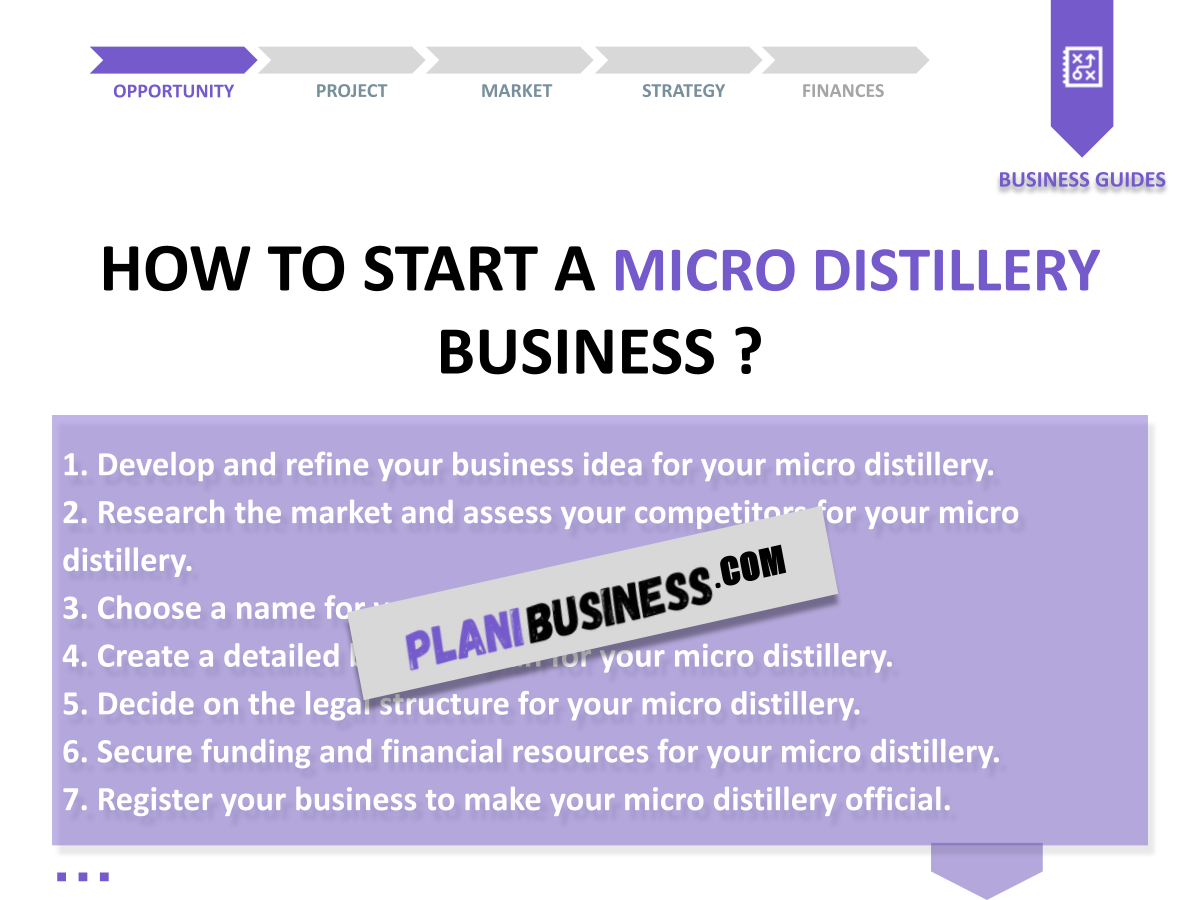
Are you thinking about starting a micro distillery? You’re not alone! The craft distilling industry has been booming, with more people eager to create their own unique spirits. In fact, the number of micro distilleries has increased by over 40% in recent years, showing a growing interest in artisanal products. If you’re passionate about distilling and want to dive into this exciting venture, you’re in the right place. In this article, we’ll explore the essential steps on how to start a micro distillery, covering everything from developing your unique idea to marketing your products.
- Discover what a micro distillery is.
- Understand the importance of market research.
- Learn how to create a solid business plan.
- Get to grips with legal requirements.
- Find out how to secure funding.
- Explore effective marketing strategies.
1. What is a Micro Distillery and Why Start One?
A micro distillery is a small-scale operation focused on producing spirits in limited quantities, emphasizing quality and craft. Unlike large distilleries that churn out mass-produced products, micro distilleries pride themselves on their artisanal approach, often using locally sourced ingredients and unique recipes. Starting one can be a fulfilling way to share your passion for distilling and creativity with others.
Here are a few reasons why starting a micro distillery could be a great choice for you:
- Growing market demand: Consumers are increasingly looking for unique, high-quality spirits that reflect local culture and craftsmanship.
- Creative expression: You have the freedom to experiment with flavors, ingredients, and distilling techniques, allowing you to create distinctive products.
- Community engagement: Micro distilleries often become local favorites, offering tastings, tours, and events that foster a sense of community.
2. How to Develop Your Unique Distilling Idea?
Finding your niche is crucial when considering how to start a micro distillery. Start by thinking about what makes your vision unique. This could be a specific type of spirit, a unique flavor profile, or even a focus on sustainability. Here are some steps to help you develop your idea:
- Research existing products: Look into what other distilleries are offering. Identify gaps in the market or trends that you can capitalize on.
- Consider your passions: Reflect on your own tastes and experiences. What flavors or styles do you love? This can help you find a direction that feels authentic to you.
- Experiment: Don’t be afraid to try different recipes and techniques. Create small batches to test flavors and gather feedback from friends and family.
Additionally, consider creating a mind map to visualize your ideas and connections. This can help you see potential opportunities you may not have initially considered. Here’s a simple example:
| Idea Category | Potential Ideas |
|---|---|
| Flavors | Herbal infusions, fruit-based spirits, barrel-aged options |
| Ingredients | Locally sourced grains, organic botanicals, unique fruits |
| Target Audience | Craft cocktail enthusiasts, health-conscious consumers, local businesses |
By honing in on what makes your micro distillery unique, you’ll set the foundation for a brand that resonates with consumers and stands out in a competitive market.

3. Why Market Research is Key for Your Micro Distillery?
Before diving into how to start a micro distillery, it’s essential to understand the market you’re entering. Conducting thorough market research allows you to identify your target audience, understand their preferences, and analyze your competition. This knowledge can make the difference between success and failure.
Here are some key aspects of market research that you should focus on:
- Identify your target market: Who are your ideal customers? Consider demographics such as age, income, and location. This will help you tailor your products and marketing strategies to meet their needs.
- Analyze your competition: Look at other distilleries in your area or those producing similar products. What are their strengths and weaknesses? How can you differentiate your brand?
- Explore consumer trends: Keep an eye on trends in the craft spirits market, such as the demand for organic ingredients or unique flavor combinations. This can guide your product development.
To help visualize your findings, you can create a competitive analysis table:
| Distillery Name | Strengths | Weaknesses |
|---|---|---|
| Local Distillery A | Established brand, diverse product line | High price point |
| Local Distillery B | Unique flavors, community-focused | Limited distribution channels |
By understanding your competition and the market landscape, you can develop a strategy that positions your micro distillery for success.
4. How to Choose a Name for Your Micro Distillery?
The name of your micro distillery is often the first impression you make on potential customers, so it’s crucial to choose wisely. A great name should reflect your brand’s identity, resonate with your target audience, and be memorable. Here’s how to go about it:
- Brainstorm ideas: Start by jotting down words and phrases that relate to your distilling process, flavors, and personal inspirations. Don’t hold back; get creative!
- Check for availability: Once you have a shortlist, check to see if the names are already in use by other distilleries or businesses. You can do this by searching online and checking trademark databases.
- Get feedback: Share your favorite options with friends, family, or potential customers to gauge their reactions. Sometimes an outside perspective can help clarify your decision.
Remember, the name should also be easy to pronounce and spell. This helps ensure that customers can easily find you online and recommend you to others. Here’s a simple checklist to keep in mind:
- Does the name reflect the essence of my brand?
- Is it unique and not easily confused with other brands?
- Is it easy to remember and pronounce?
- Can I secure a matching domain name for my website?
Choosing the right name is a vital step in establishing your brand identity and can set the tone for your entire micro distillery journey. Take your time, be creative, and trust your instincts!

5. What to Include in Your Micro Distillery Business Plan?
A well-structured business plan is a crucial step in how to start a micro distillery. It serves as your roadmap, outlining your vision, goals, and strategies for success. A comprehensive business plan can also help you secure funding from investors or banks. Here’s what to include:
- Executive Summary: This is a snapshot of your entire business plan, highlighting key points such as your mission statement, product offerings, and financial projections.
- Market Analysis: Present your research on the craft spirits market, target audience, and competition. Include trends and opportunities that your micro distillery can capitalize on.
- Marketing and Sales Strategy: Outline how you plan to attract and retain customers. This could include pricing strategies, promotional campaigns, and distribution methods.
- Operational Plan: Detail the day-to-day operations of your micro distillery, including production processes, equipment needs, and staffing requirements.
- Financial Projections: Provide a forecast of your revenue, expenses, and profitability over the next few years. This section is vital for attracting potential investors.
To help you get started, here’s a simple table outlining the essential components of a business plan:
| Section | Description | Importance |
|---|---|---|
| Executive Summary | Overview of your business | First impression for investors |
| Market Analysis | Research on industry and competition | Guides strategy and positioning |
| Financial Projections | Forecast of revenue and expenses | Critical for funding applications |
For a more detailed approach, I recommend checking out this business plan template for Micro Distillery. It’s super detailed and can save you a ton of time!
6. How to Decide on the Legal Structure for Your Distillery?
Choosing the right legal structure for your micro distillery is a significant decision that impacts everything from taxes to liability. Common structures include sole proprietorships, partnerships, limited liability companies (LLCs), and corporations. Each has its pros and cons, so it’s essential to choose one that aligns with your goals.
Here are some factors to consider when deciding on your legal structure:
- Liability: Consider how much personal liability you’re willing to take on. LLCs and corporations offer personal liability protection, while sole proprietorships do not.
- Tax implications: Different structures have varying tax obligations. For example, LLCs may benefit from pass-through taxation, while corporations are taxed at the corporate level.
- Management flexibility: Some structures, like partnerships, allow for more flexibility in management and profit distribution compared to corporations.
It’s also a good idea to consult with a legal expert or accountant to ensure you make the best choice for your situation. Here’s a quick comparison of common legal structures:
| Structure | Liability Protection | Taxation |
|---|---|---|
| Sole Proprietorship | No | Personal income tax |
| LLC | Yes | Pass-through taxation |
| Corporation | Yes | Corporate tax |
By carefully considering your options, you can choose a legal structure that supports your vision and protects your personal assets as you embark on your journey to start a micro distillery.

7. How to Secure Funding for Your Micro Distillery?
Securing funding is one of the most critical steps in how to start a micro distillery. Distilling can be capital-intensive, with costs ranging from equipment purchases to licensing fees. Here are some effective strategies to consider when seeking financial resources:
- Personal Savings: Many entrepreneurs start by investing their savings. This shows commitment and can help secure additional funding from other sources.
- Loans: Consider applying for a small business loan through banks or credit unions. Be prepared to present your business plan and financial projections to demonstrate your viability.
- Investors: Seek out investors who share your passion for craft spirits. They can provide not only capital but also valuable industry connections and expertise.
- Crowdfunding: Platforms like Kickstarter or Indiegogo can help you raise funds while also building a community around your brand. You can offer early access to products or exclusive experiences as rewards.
When approaching investors or lenders, be transparent about your business model and how you plan to generate revenue. Here’s a simple table summarizing potential funding sources:
| Funding Source | Pros | Cons |
|---|---|---|
| Personal Savings | Full control, no debt | Risking personal finances |
| Loans | Retain ownership | Debt obligation |
| Investors | Expertise and connections | Sharing equity |
| Crowdfunding | Community engagement | Time-consuming |
By diversifying your funding sources, you can increase your chances of successfully launching your micro distillery and ensuring its long-term sustainability.
8. What Licenses and Permits Do You Need to Start a Micro Distillery?
Compliance with legal regulations is a critical aspect of how to start a micro distillery. Distilling alcohol is heavily regulated at the federal, state, and local levels, and obtaining the necessary licenses and permits is essential to operate legally.
Here are the key licenses and permits you’ll likely need:
- Federal Distilled Spirits Permit: Issued by the Alcohol and Tobacco Tax and Trade Bureau (TTB), this permit is mandatory for all distilleries. The application process can be lengthy, so start early.
- State Liquor License: Most states require a specific liquor license for distilling and selling alcohol. The requirements vary by state, so check with your local alcohol control board.
- Local Business License: Don’t forget to obtain a general business license from your city or county to operate legally.
- Health and Safety Permits: Depending on your location, you may need to comply with health and safety regulations, which could include inspections by local health departments.
To keep track of your requirements, consider creating a checklist. Here’s a simple example:
| License/Permit | Issuing Authority | Notes |
|---|---|---|
| Federal Distilled Spirits Permit | TTB | Mandatory for all distilleries |
| State Liquor License | State Alcohol Control Board | Varies by state |
| Local Business License | City or County | Check local requirements |
By ensuring you have all the necessary licenses and permits in place, you can avoid legal issues and focus on what you love—crafting exceptional spirits in your micro distillery!

9. How to Set Up Your Financial Management Systems?
Effective financial management is crucial for the success of your micro distillery. As you start your business, establishing a robust financial management system will help you track expenses, revenue, and profitability, ensuring you stay on top of your finances.
Here are some essential components to consider when setting up your financial management systems:
- Accounting Software: Choose a reliable accounting software that suits your needs. Popular options like QuickBooks or Xero can help you manage invoices, track expenses, and generate financial reports.
- Budgeting: Create a detailed budget that outlines your expected income and expenses. This will help you plan for future expenditures and identify areas where you can cut costs.
- Cash Flow Management: Monitor your cash flow regularly to ensure that you have enough funds to cover operating costs. Understanding your cash flow cycle can help you avoid financial pitfalls.
To make it easier to visualize your financial health, consider using a table to track your key financial metrics:
| Metric | Current Amount | Target Amount |
|---|---|---|
| Monthly Revenue | $5,000 | $10,000 |
| Monthly Expenses | $4,000 | $3,500 |
| Net Profit | $1,000 | $6,500 |
By implementing a solid financial management system, you’ll have a clearer understanding of your micro distillery’s financial health, allowing you to make informed decisions and ensure long-term success.
10. How to Establish Your Brand Identity?
Creating a strong brand identity is essential in the competitive landscape of craft spirits. Your brand represents not only your products but also your values, mission, and connection to your customers. Here are some key steps to establishing your brand identity:
- Define Your Brand Values: Consider what your micro distillery stands for. Are you focused on sustainability, quality, or local sourcing? Clearly defining your values will guide your branding decisions.
- Create a Memorable Logo: Your logo is often the first thing customers will see. Invest in professional design to create a logo that reflects your brand’s personality and is easily recognizable.
- Develop a Consistent Voice: Your brand’s voice should resonate through all your marketing materials, from your website to social media. Whether it’s friendly, professional, or quirky, consistency is key.
To help you visualize your brand identity, consider creating a brand style guide that outlines your logo, color palette, typography, and messaging. Here’s a simple example of what to include:
| Element | Description |
|---|---|
| Logo | Design specifications and variations |
| Color Palette | Primary and secondary colors |
| Typography | Font styles for headings and body text |
By establishing a strong brand identity, you’ll create a memorable connection with your customers, making it easier to attract and retain a loyal audience for your micro distillery.

11. Why You Need a Professional Website for Your Distillery?
In today’s digital age, having a professional website is essential for any business, including your micro distillery. A well-designed website serves as your online storefront, allowing potential customers to learn about your products, values, and story. Here are some key reasons why you should prioritize creating a website:
- Brand Visibility: A website increases your brand’s visibility and helps you reach a wider audience. It’s the first place many customers will go to learn more about your distillery.
- Online Sales: If you plan to sell your products online, a website is necessary for e-commerce. You can set up an online store to facilitate direct sales to customers.
- Customer Engagement: A website allows you to engage with customers through blogs, newsletters, and social media integration. Sharing your story and knowledge can build a loyal community.
When designing your website, consider including the following elements:
- About Us Page: Share your distillery’s story, mission, and values.
- Product Listings: Include detailed descriptions, prices, and high-quality images of your spirits.
- Contact Information: Make it easy for customers to reach you with questions or inquiries.
To visualize your website’s structure, here’s a simple layout example:
| Page | Content |
|---|---|
| Home | Introduction, featured products, and promotions |
| About Us | Story, mission, and team members |
| Products | List of spirits with descriptions and prices |
| Contact | Contact form and location details |
By investing in a professional website, you’ll enhance your online presence and create a platform for growth and customer engagement.
12. How to Market and Advertise Your Micro Distillery?
Effective marketing is vital for the success of your micro distillery. With so many options available, it’s essential to develop a strategic marketing plan that resonates with your target audience. Here are some key strategies to consider:
- Social Media Marketing: Utilize platforms like Instagram, Facebook, and Twitter to showcase your products, share behind-the-scenes content, and engage with your audience. Posting regularly can help you build a loyal following.
- Local Events and Tastings: Host tastings and participate in local events to introduce your spirits to potential customers. This not only builds brand awareness but also fosters community relationships.
- Collaborations: Partner with local businesses, such as restaurants or bars, to feature your products. This can help you reach new audiences and create unique promotional opportunities.
Consider creating a marketing calendar to plan your campaigns and events. Here’s an example of how you might structure it:
| Month | Marketing Activity |
|---|---|
| January | Launch social media campaign for new product |
| February | Host tasting event at local farmers market |
| March | Collaborate with a local restaurant for a special cocktail |
By implementing these marketing strategies, you can effectively promote your micro distillery and attract a loyal customer base.
13. How to Assemble Your Team for the Distillery?
Building a dedicated and skilled team is essential for the smooth operation of your micro distillery. As you grow, hiring the right people can help you maintain quality and expand your offerings. Here’s how to approach assembling your team:
- Define Roles and Responsibilities: Determine what positions you need to fill, such as distillers, sales staff, and marketing professionals. Clearly outline the responsibilities for each role.
- Look for Experience: Seek individuals with relevant experience in distilling, hospitality, or sales. Having a knowledgeable team can significantly impact your distillery’s success.
- Foster a Positive Work Culture: Create an environment that encourages teamwork, creativity, and passion for craft spirits. This will help you attract and retain top talent.
As you build your team, consider creating an employee handbook that outlines company policies, procedures, and values. Here’s a simple list of what to include:
- Company Mission and Values
- Code of Conduct
- Job Descriptions
- Performance Evaluation Process
By carefully assembling your team and fostering a positive work culture, you’ll create a strong foundation for your micro distillery, paving the way for future success.

Conclusion
Starting a micro distillery is an exciting journey that combines passion, creativity, and business acumen. By following the steps outlined in this guide, from developing your unique distilling idea to assembling a dedicated team, you’ll be well on your way to creating a successful enterprise. Remember, it’s essential to stay informed about the legal requirements, market trends, and effective marketing strategies to ensure your distillery stands out in the competitive craft spirits market.
As you embark on this adventure, consider diving deeper into essential topics such as conducting a SWOT analysis to identify your strengths, weaknesses, opportunities, and threats. Check out our article on how to create a SWOT Analysis for Micro Distillery for more insights. Additionally, developing a comprehensive marketing plan is crucial for attracting customers and promoting your brand. You can learn more by reading our article on How to Start a Micro Distillery Marketing Plan? With Example. Your journey into the world of craft distilling awaits!
FAQ
- What is a micro distillery?
A micro distillery is a small-scale distillery that focuses on producing limited quantities of high-quality spirits, often using traditional methods and local ingredients. - How much does it cost to start a micro distillery?
The startup costs can vary widely but typically range from $250,000 to over $1 million, depending on equipment, location, and legal fees. - What licenses do I need to operate a micro distillery?
You will need several licenses, including a federal distilled spirits permit from the TTB, a state liquor license, and possibly local permits, depending on your location. - Can I distill alcohol at home?
In most places, distilling alcohol at home for personal use is illegal. You must have the proper licenses to operate a distillery legally. - What types of spirits can I produce?
Micro distilleries can produce a variety of spirits, including whiskey, gin, vodka, rum, and liqueurs, depending on their equipment and expertise. - How do I market my micro distillery?
Effective marketing strategies include building a strong online presence, engaging with local communities, hosting tastings, and leveraging social media platforms to connect with customers. - What is the difference between a micro distillery and a craft distillery?
While both focus on small-scale production, micro distilleries typically produce less than 100,000 gallons per year, whereas craft distilleries may produce larger quantities while still emphasizing quality and craftsmanship. - Do I need a business plan for my micro distillery?
Yes, a detailed business plan is crucial for outlining your vision, strategies, and financial projections, which can also help secure funding from investors or lenders. - What equipment do I need for a micro distillery?
Essential equipment includes a still, fermenters, storage tanks, and bottling equipment, along with necessary safety and quality control tools. - How can I ensure the quality of my spirits?
Quality control measures, such as proper ingredient sourcing, meticulous distillation processes, and regular testing, are vital for maintaining the quality of your products.